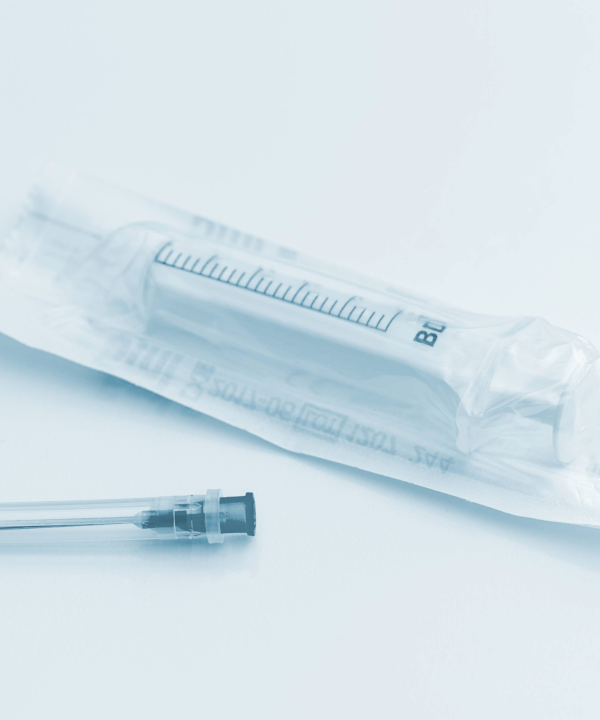
In-vivo Test
Medical devices come into direct contact with the human body and must therefore undergo scientific testing to demonstrate their biological safety before market launch. In vivo tests are experimental investigations to evaluate the effects of medical devices on living organisms and an important component of biological compatibility testing.
What are in-vivo tests?
The term “in vivo” means “in a living organism”. This implies that the effects of a medical device on tissues, immune responses, toxicity levels, and long-term safety after implantation into the body are studied in living animals.
These tests are conducted in accordance with the ISO 10993 series of standards included in our scope of analysis and are among the mandatory tests for CE marking.
For which medical devices are they required?
- Implants (e.g., orthopedic screws, stents, heart valves)
- Devices that come into prolonged contact with the body (e.g., catheters, wound dressings)
- Products that come into contact with skin, body fluids, or mucous membranes
- Sterile medical devices and absorbable products
Key Types of In Vivo Tests (ISO 10993)
- Sensitization Test – EN ISO 10993-10
- Irritation Test – EN ISO 10993-23
- Hemolysis – EN ISO 10993-4
- Genotoxicity – EN ISO 10993-3
- Implantation Test – EN ISO 10993-6
- Pyrogenicity Test – EN ISO 10993-11
- Systemic Toxicity – EN ISO 10993-11
Legal Basis and Compliance with Regulations
- ISO 10993-1: General Principles for Biological Evaluation
- MDR (EU) 2017/745: European Medical Device Regulation
- OECD Test Guidelines (for specific toxicological assessments)
We conduct in vivo tests for medical devices in our ISO/IEC 17025 accredited facilities, adhering to international ethical principles and legal regulations.