Bioburden Test
The test that provides the fundamental data for determining the sterilization parameters required for product sterility is referred to as the Bioburden Test.
What is a Bioburden Test?
Bioburden refers to the number of viable microorganisms present on a product, surface, or in an environment prior to sterilization. The bioburden test quantitatively measures the total microbial load on medical devices post-manufacturing. This optimization ensures appropriate process times and conditions for sterilization.
If the sterilization process is defined without a bioburden test, sterilization may be insufficient, compromising product safety, or excessive sterilization may occur, leading to device damage.
What is the ISO 11737-1 standard?
ISO 11737-1 is the international standard for the determination of bioburden on medical devices. The standard specifies
- test methods,
- sampling techniques,
- microbiological analysis procedures
- and the evaluation of results
in detail.
The ISO 11737-1 standard is essential to ensure the effectiveness of sterilization processes and to enhance the safety of medical devices.
How is a Bioburden Test conducted?
The Bioburden Test is performed in a laboratory following these steps:
- Sample Preparation: Microbiological samples are collected from the device or product surface using appropriate techniques. These samples are typically obtained through rinsing, swabbing, or wiping.
- Extraction: Microorganisms are isolated from the sample.
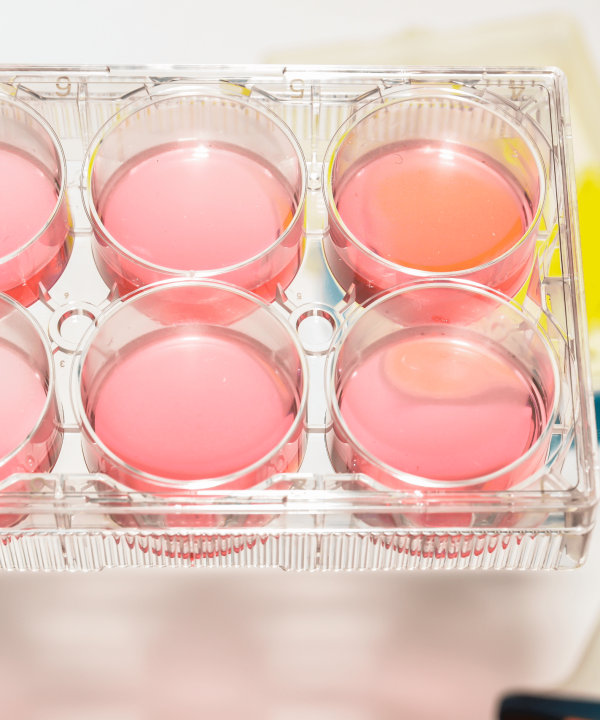
- Culture: The samples are inoculated into suitable culture media and incubated.
- Colony Counting: The grown microorganism colonies are enumerated, and the total viable count is determined.
- Evaluation: The results are evaluated according to the criteria of ISO 11737-1.
Bioburden Test: ISO 11737-1