

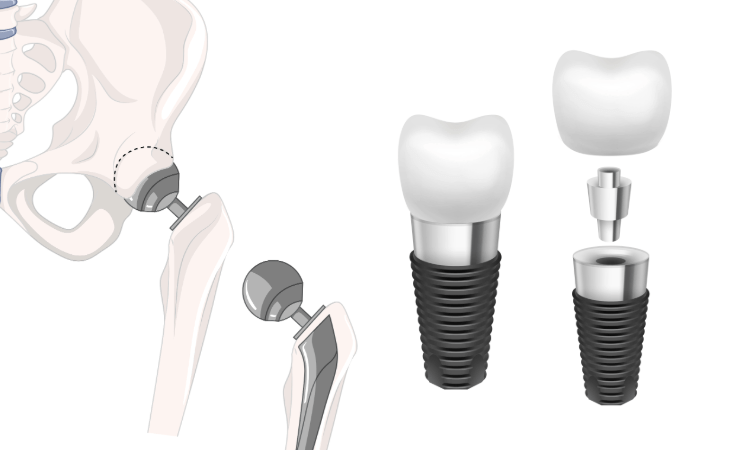
Biocompatibility Testing for Medical Implants: A Comprehensive Guide for Manufacturers
Medical implants that remain in contact with the human body for extended periods constitute a category of medical devices requiring particularly stringent testing for safety reasons. Implants, which may be composed of metal, polymer, ceramic, or composite materials, must be accepted by body tissues, must not induce toxic reactions, and must remain stable throughout their service life. To ascertain these properties, biocompatibility tests are legally mandated.
What is Biocompatibility and Why is it Important for Implants?
The scientific term describing whether a material elicits toxic, allergic, or adverse biological reactions upon contact with living tissue is “biocompatibility.”
Biocompatibility in Implant Products:
- Prevents immune reactions
- Prevents allergic side effects
- Prevents material-related complications
- It forms the basis for long-term clinical success
Regulatory Basis for Biocompatibility Testing: ISO 10993 Series
ISO 10993 is an international testing standard for the biological evaluation of medical devices.
Implantable devices are typically subjected to the most extensive testing due to their long-term and invasive contact.
Relevant Standards and their Scope:
- ISO 10993-1: Risk Assessment and Test Selection
- ISO 10993-5: Cytotoxicity
- ISO 10993-10: Irritation and Sensitization
- ISO 10993-11: Systemic Toxicity
- ISO 10993-18: Chemical Characterization
- ISO 10993-6: Local Tissue Reaction
- ISO 10993-23: Ocular Irritation
- ISO 10993-17: Toxicological Risk Assessment
The combined evaluation of these tests provides preclinical evidence for the safety of the device.
Essential Biocompatibility Tests for Medical Implants
The following tests are standard requirements for implantable products.
- Chemical Characterization (ISO 10993-18): This is the most critical phase of the MDR. It involves identifying the chemicals that can be released from the material into the environment. These analyses are typically performed using instruments such as ICP-OES, GC-MS, LC-MS, FTIR, and NMR.
- Cytotoxicity Test (ISO 10993-5): Measures the toxic effect of substances in cell cultures. It is one of the most fundamental indicators of implant biocompatibility.
- Irritation and Sensitization (ISO 10993-10): The irritation potential on skin and mucous membranes is crucial for determining the risk of allergic reactions. This is mandatory for dental, orthopedic, and neurological implants.
- Systemic Toxicity (ISO 10993-11): Measures whether the material has a systemic toxic effect in the body.
- Genotoxicity Tests: Evaluate the mutagenic potential on DNA. Three fundamental tests are employed: Ames test, micronucleus test, chromosomal aberration
- Local Tissue Reaction (ISO 10993-6): This is one of the tests performed for surgical implants. It involves analyzing the histological changes in the tissue surrounding the implanted material.
- Hemocompatibility: This is mandatory for implants that come into contact with blood.
- Platelet Activation
- Hemolysis
- Coagulation Parameters
Discover our accredited and authorized laboratory services for your medical devices. For any inquiries, please do not hesitate to contact us at: info@nano-test.de