

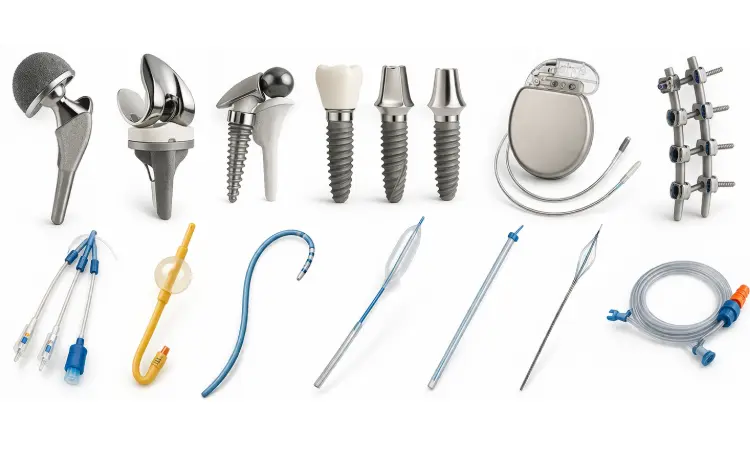
Determining the suitability of medical devices for human health is not limited to technical performance alone. At the same time, the biological effects of the product must also be thoroughly investigated. In this context, the standards in the ISO 10993 series published by ISO serve as a fundamental reference for assessing biocompatibility. As a key component of this series, ISO 10993-11 on the assessment of the potential for systemic toxicity in medical devices.
What is systemic toxicity?
Systemic toxicity occurs when chemical substances released from a medical device have harmful effects not only at the site of contact but throughout the entire body. These effects can reach various organs via the circulatory system and have negative consequences for overall health.
What does the ISO 10993-11 standard specify?
The ISO 10993-11 standard defines the test methods and evaluation criteria to be used to determine the systemic toxic effects of medical devices.
In this context, the following types of toxicity are primarily evaluated:
- Acute systemic toxicity: Effects that occur shortly after a single exposure
- Subacute toxicity: Effects that occur following repeated exposure over a period of 14 to 28 days
- Subchronic toxicity: Effects observed following exposure for up to 90 days
- Chronic toxicity: Effects that develop as a result of long-term and continuous exposure
Why are systemic toxicity tests crucial?
Manufacturers of medical devices can ensure product safety through systemic toxicity testing. This is because:
- Substances released by the device can damage distant organs
- Long-term use may lead to an accumulation effect
- Compliance with regulations is essential for patient safety
These tests are particularly essential for implants, catheters, and devices intended for long-term use.
Regulatory and Compliance Processes
Compliance with the ISO 10993-11 standard is a crucial step for medical devices to gain access to international markets. While biocompatibility assessments are required under the MDR in the European Union, similar requirements are also imposed by the FDA and other regulatory authorities.
Please contact us with any questions or for further details.
info@nano-test.de