Heavy Metal Analysis
Cosmetic products are applied daily directly to the skin, eye area, and lips. Therefore, it is of paramount importance that their ingredients are not only effective but also safe. Particularly, heavy metals such as lead (Pb), arsenic (As), mercury (Hg), and cadmium (Cd) are among the toxic elements that can be absorbed through the skin. To determine if these substances are present in products, heavy metal analyses are conducted.
What are heavy metals and why are they dangerous?
Heavy metals can typically enter cosmetic products through natural minerals, pigments, or contaminants introduced during the manufacturing process. They can accumulate in the body over time, exerting toxic effects, causing allergic reactions, skin irritations, and leading to severe long-term health problems.
Sources of Heavy Metals in Cosmetic Products
- Pigments used in colored cosmetics
- Natural raw materials such as clay, talc, and mica
- Packaging materials
- Metals used in production facilities
Key Heavy Metals Analyzed
In our laboratory, the following heavy metals are primarily analyzed in cosmetic products:
- Aluminum (Al) Test
- Antimony (Sb) Test
- Arsenic (As) Test
- Copper (Cu) Test
- Barium (Ba) Test
- Beryllium (Be) Test
- Boron (B) Test
- Mercury (Hg) Test
- Zinc (Zn) Test
- Iron (Fe) Test
- Gallium (Ga) Test
- Silver (Ag) Test
- Cadmium (Cd) Test
- Tin (Sn) Test
- Calcium (Ca) Test
- Cobalt (Co) Test
- Chromium (Cr) Test
- Lead (Pb) Test
- Lithium (Li) Test
- Magnesium (Mg) Test
- Manganese (Mn) Test
- Molybdenum (Mo) Test
- Nickel (Ni) Test
- Potassium (K) Test
- Selenium (Se) Test
- Caesium (Cs) Test
- Sodium (Na) Test
- Strontium (Sr) Test
- Thallium (Tl) Test
- Tellurium (Te) Test
- Vanadium (Vn) Test
For which products is the test performed?
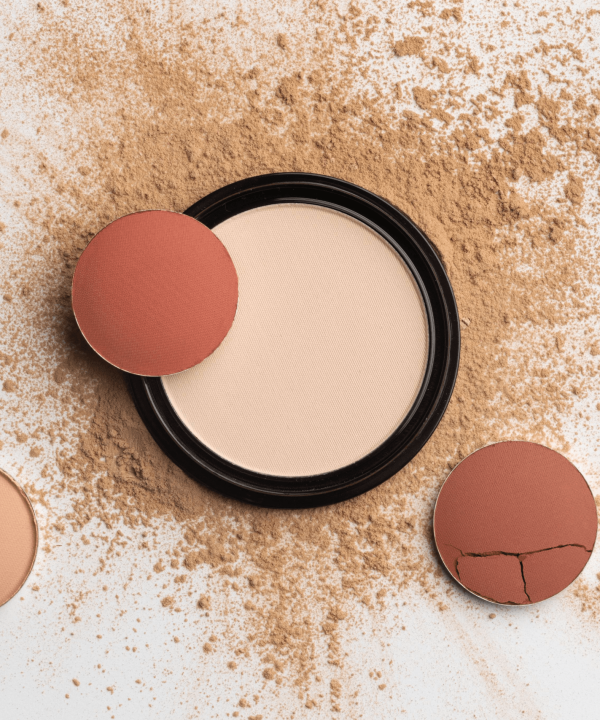
- Color cosmetics such as lipstick, foundation, blush, eyeshadow
- Eye Area Products
- Products with natural ingredients (clay masks, organic creams, etc.)
- Baby products
- Sunscreen products