


What is a stability test for cosmetic products?
Simply put, it is a scientific control phase that ensures cosmetic and body care products reach the consumer unchanged, safe and effective. For cosmetic products, it must be checked whether their physical, chemical, microbiological and sensory properties remain unchanged during the specified shelf life.
 The logo we see on cosmetic products generally indicates the shelf life after opening the packaging. With the help of analysis and test methods, we can ensure durability during the specified shelf life through "stability tests".
As part of the stability tests, analyzes of many parameters such as appearance, smell, pH value, viscosity and microbiological stress are carried out in accordance with the relevant regulations and standards. A general assessment can be made on the basis of the results achieved.The work carried out is generally carried out under the headings "Real-time Stability Tests" and "Accelerated Stability Tests".
Why Are Stability Tests Required?
The consumer can only judge a cosmetic or personal care product based on its optical properties. However, the manufacturer and the supervisory and regulatory authorities must keep an eye on the health of the consumers and do not ignore investigations in this regard. Stability tests are also important when there are no visually recognizable problems to determine the quality, safety and effectiveness of the products.
From the point of view of the manufacturers, the manufacturers require stability data from the manufacturer's point of view within the framework of the regulations of the European Union (EU) and Germany. These are important test procedures with regard to the reliability of the brand and compliance with legal regulations.
Relevant regulations in Europe and Germany
Stability tests for reliable and high-quality cosmetic products must be carried out in Europe and Germany in accordance with certain regulations and regulations:
- EU Regulation (EC) No. 1223/2009 - Main framework for the safety of cosmetic products in the European Union.
- Checks by the Federal Office for Consumer Protection and Food Safety (BVL) and the responsible authorities in Germany.
- Mandatory stability test reports in the Product Information Sheet (PIF).
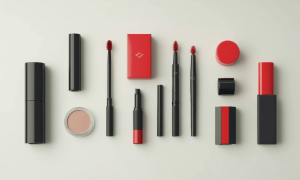
How are stability tests carried out?
Stability Tests for Cosmetics and Personal Care Products, which are generally conducted depending on the type and expected useful life of creams, shampoos, makeup products, etc., in short, consist of the following parts.
- Sampling procedures and testing times.
- Use of temperature and humidity chambers in accelerated tests.
- Example of a test plan: ratings after 3, 6, 9 and 12 months
Frequently Asked Questions from Manufacturers
- How long does a stability test last?
As mentioned above, it is possible to perform product-specific stability tests in real time or accelerated. Real-time tests usually take 6 to 12 months, while accelerated stability tests allow for a prognosis of long-term results within a few weeks or months.
- For which products is this mandatory?
Stability tests for all cosmetic products are mandatory in accordance with European Union regulations (EC 1223/2009) and similar regulations. The "Duration of Use (PAO)" and the safety assessment are determined by this test.
- Are new tests required for small changes to the wording?
Yes, retests are usually required. Because even small changes (conservative content, dye, fragrance, pH regulator, etc.) can affect the stability of the product. Even changing the packaging can affect the results.
The role and expertise of our laboratory
With our stability tests for cosmetic products in Germany, we ensure compliance with national and international standards, regulations and legal requirements. Get to know our modern test devices and climate chambers as well as our suitable technological infrastructure!