

OECD Test Guideline 415: What is a One-Generation Reproduction Toxicity Study?
Assessing the effects of chemical substances or newly developed products on reproductive capacity is essential for human and environmental health. The OECD Test Guideline 415 – One-Generation Reproduction Toxicity Study, applied in this context, is a standardized test procedure used to scientifically determine potential toxic effects on the reproductive system.
Purpose of the Test
This test is conducted on both sexes exposed to a chemical substance to
- assess the health of reproductive organs,
- evaluate reproductive capacity (fertility, mating success, etc.),
- and determine the effects on the health and development of offspring.
This approach allows for the proactive identification of long-term risks to human and other living organisms' reproduction.
How is the OECD 415 Test Conducted?
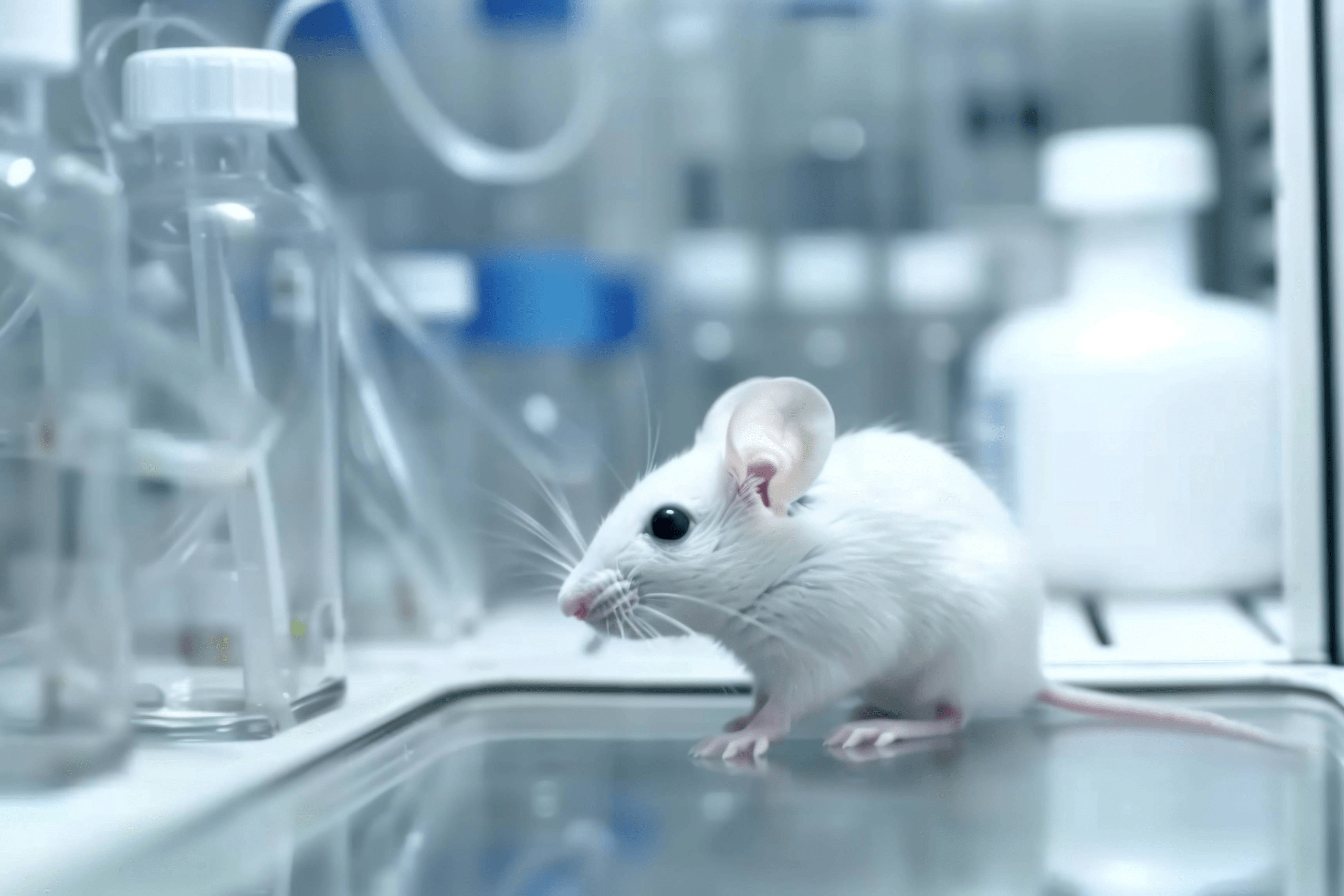
The One-Generation Reproduction Toxicity Study is typically conducted using mammalian models, such as rats. The general steps of the test are as follows:
- Preparation: Test animals are administered the test substance for a specified period before mating.
- Mating and Gestation: Male and female animals are paired, and both parents and developing offspring are observed throughout the entire process.
- Birth and Post-Natal Care: Following birth, the survival rate, growth and developmental parameters, and health status of the offspring are examined.
- Results Analysis: The collected data are evaluated concerning reproductive performance, offspring health, and effects on parental organisms.
Why is a One-Generation Reproduction Toxicity Study Important?
Reproductive health is crucial not only for individual well-being but also for the sustainability of society as a whole. Particularly in the following sectors, this test is indispensable for product development and safety assessment:
- Pharmaceutical Industry
- Plant Protection Products and Biocidal Products
- Chemical Production
- Cosmetic product development
- Environmental compatibility tests
For substances that pose a risk to the environment or human health, the assessment of potential adverse effects on the reproductive system may be legally required.
A Reliable and Scientific Approach with Nanolab
As a Nanolab laboratory, we conduct the OECD 415 one-generation reproduction toxicity studies in accordance with international standards and current scientific methods. With our expert team and state-of-the-art laboratory infrastructure, we meticulously determine the potential risks of your products to reproductive health.